



Is Your Saree Losing Its Shape? Here's How a Saree Shaper Can Help
You've draped your saree at home, taken your time with it, pleats even, pallu sitting exactly where you want it. You check the mirror, feel good, and head out the door. Two hours later at the wedding, you catch your reflection and go... wait, what happened here? Pleats have shifted, pallu's slipping again, the waist area doesn't look anything like it did an hour ago.
And the first instinct is always to blame yourself. Bad draping, bad pinning, whatever. But it's usually not that at all. It's what's underneath the saree that's actually falling short. We talk to a lot of women at Nykaa who've just accepted that this is how sarees are: uncomfortable, high-maintenance, constant readjusting. It doesn't have to be that way, though. Most of the time, one small piece is missing from the equation, and that's a proper saree shaper.
Why Does a Saree Lose Its Shape While Wearing It?
A saree isn't stitched to your body the way a dress is. It's wrapped and tucked and pinned, which means its whole shape is basically borrowed from whatever's underneath: your petticoat, your waist, how well it's all tied together in the first place.
If that base is even slightly loose, the pleats you spent 15 minutes perfecting start giving up one by one as the hours go by. Throw in actual movement, sitting for dinner, walking around the venue, maybe some dancing, and things loosen even quicker. It really comes down to three things pulling against you: your body moving, the weight of the fabric itself, and not enough structure holding it in place underneath. The saree gets all the credit when it looks good, but the base underneath is doing the actual work.
Can a Saree Shaper Prevent the Saree from Slipping?
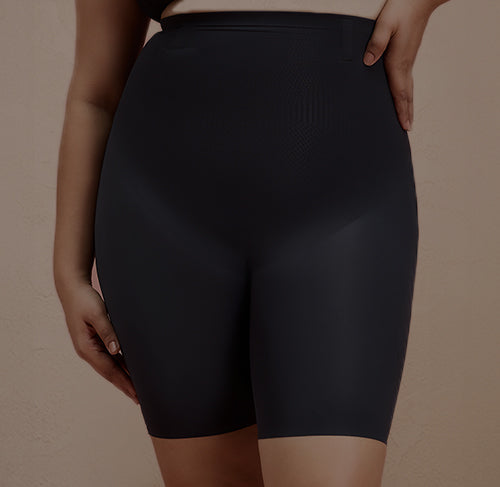
A regular petticoat kind of just... sits there, loosely tied at the waist. A saree shaper actually hugs the body, so your pleats and pallu have something firm to hold onto instead of loose fabric that moves around on its own. It's not some miracle fix; you still need decent draping and pinning to begin with. But so much of that slipping happens simply because there's nothing solid underneath to anchor everything to, and that's exactly what a saree shaper fixes.
Can a Saree Shaper Help Create a Smoother Saree Silhouette?
Yes, and this part doesn't get talked about nearly enough. A shaper smooths your waist and midriff area out, so the saree drapes over something even, instead of catching on body lines or bunching up in spots you don't notice till you see the photos later.
It matters even more with fabrics like georgette or chiffon, the lighter, clingier ones that show every little unevenness underneath. With a shaper, your saree's basically falling over a clean, consistent surface, so the whole thing looks more polished without you constantly smoothing it down by hand every time you stand up.
Can Wearing a Saree Shaper Make Walking and Moving Easier?
Yes, and honestly this is the bit people are most surprised by once they actually wear one. A good shaper holds your pleats and pallu together as you move, so everything isn't shifting on its own with every step you take.
If you've ever taken those weirdly careful, tiny steps in a saree because you were scared the pleats would come loose, or kept one hand on your pallu the entire evening just in case, you know exactly how tiring that gets. A shaper takes a lot of that mental load off, and you can actually walk, sit, move like a normal person instead of babysitting your draper all night. On a long wedding day with three or four functions back to back, that's a bigger deal than it sounds.
How Is a Saree Shaper Different from a Traditional Saree Petticoat?
Fair question; they do look similar at first. A petticoat's basically a simple underskirt tied with a drawstring, there mainly to give the saree something to pin onto.
A shaper goes further than that. It's usually made from a stretchier, more supportive fabric that actually shapes the waist and hips rather than just covering them. A lot of them sit higher up the torso too, for smoother coverage, and some come with light compression or a firmer waistband built in, things a basic petticoat was never designed to do. A petticoat is functional. A shaper is built to actually hold everything in place through a full day of wear.
Making the Shift Worth It
If you've worn regular petticoats your whole life and are unsure whether switching to a shaper is worth it, especially with wedding season lining up back-to-back events, it's worth trying just once. You'll feel the difference most on the longest days, the ones where you're standing for hours, walking between ceremonies, taking way too many photos, maybe dancing more than you planned. That's exactly when the support quietly does its job.
Conclusion
If your saree keeps slipping or losing shape through the day, it's probably not you. It's what's underneath. A decent saree shaper gives your saree the support it actually needs: less slipping, a smoother look, and way less fidgeting through the evening. Might just be the one small change that makes wearing a saree feel easy this wedding season instead of something you're fighting with all night.